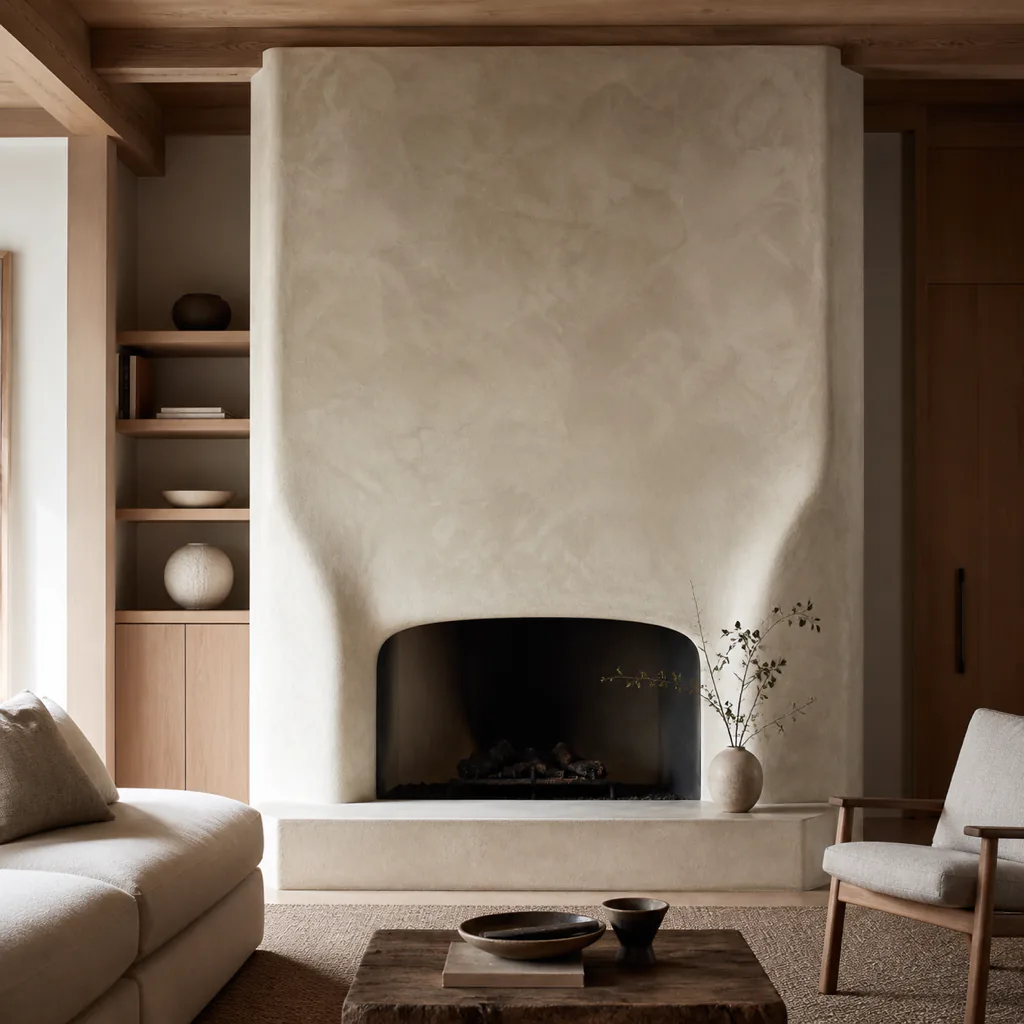
Venetian plaster
Layered depth. A quiet glow.
Explore this for my space ↗
Venetian plaster & mineral finishes
Softly clouded. Quietly luminous. Beautifully tactile. Venetian plaster, limewash, and Chukum bring a different kind of life to a room.
Imagine it in your space Explore the possibilities ↓The feeling of the finish
A brushed wall can feel soft and atmospheric. A trowelled finish can be richly layered or quietly matte. Together, we find the movement, color, and character you want to live with.
Three expressions of a mineral surface
Layered depth. A quiet glow.
Explore this for my space ↗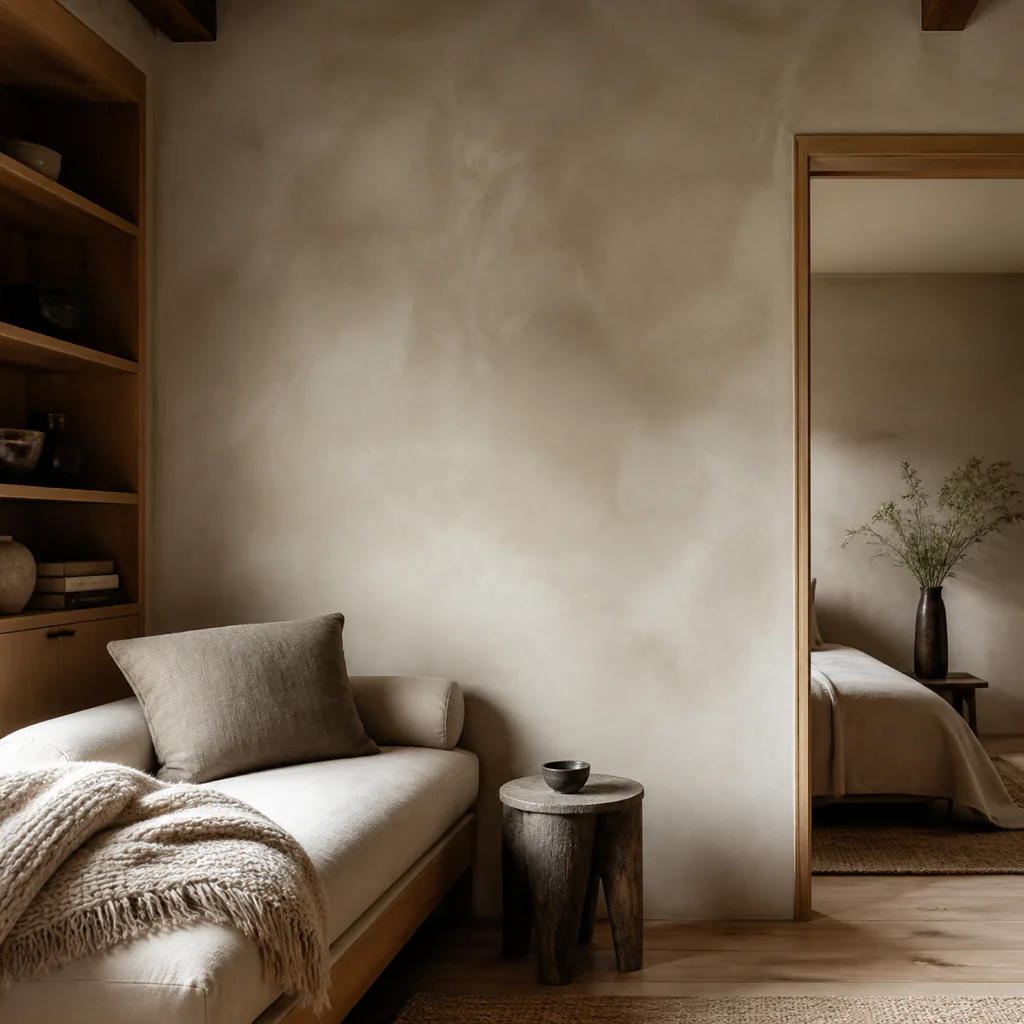
Soft movement. A brushed, cloudy texture.
Explore this for my space ↗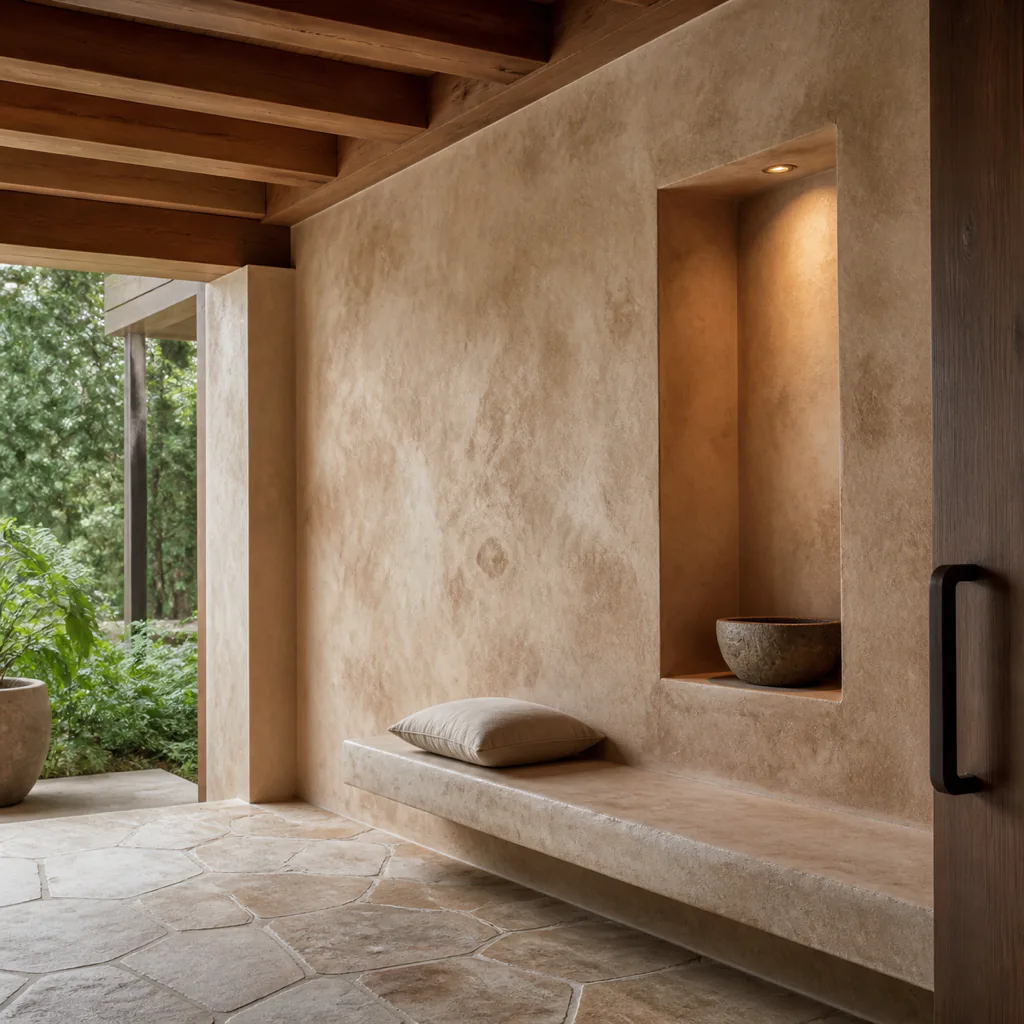
Earthy tones. An irregular, tactile character.
Explore this for my space ↗Beautifully considered, from the beginning
We start with your idea, review the space, and work through samples and a clear proposal. You can explore the practical details below, or simply begin with a conversation.
Let’s talk about your space ↗Hand-applied mineral finishes are chosen for variation, not perfect repetition. A sample sets direction; it does not guarantee that every wall, angle, batch, or lighting condition will look identical.
Finish-specific lime plaster directions, including Stucco Lamundo and other selected systems, considered around desired sheen, movement, substrate, and use.
Mineral-looking wall finishes considered around the existing coating, absorption, repairs, color direction, test area, and current application guidance.
A product-specific base, Chukum water, bonding, finish, and protection direction confirmed for the actual substrate and exposure.
Venetian plaster is a trowel-applied finish that can build layered depth and varying sheen. Limewash is generally brushed and intentionally softer, flatter, and cloudier. The exact behavior depends on the selected system and substrate.
No. Chukum is a distinct material tradition and supplied system. We confirm the current product components, substrate, exposure, and protection rather than substituting a generic material label.
Uniformity is not the purpose of these materials. Samples align the acceptable range of movement, color, texture, and sheen before the full surface is installed.
No. Exposure, assembly, detailing, protection, maintenance, and the current manufacturer instructions decide whether a specific system belongs there.
Your space, beautifully considered
Tell us a little about your idea. We’ll help you find the finish.
Start a conversation Based in McMinnville · Serving the surrounding wine country and west metro