
Asphalt sealing
A considered arrival.
Right from the drive.
A clean, cared-for approach to your home. Surface maintenance for residential driveways and small paved spaces.
Imagine it in your space Explore the possibilities ↓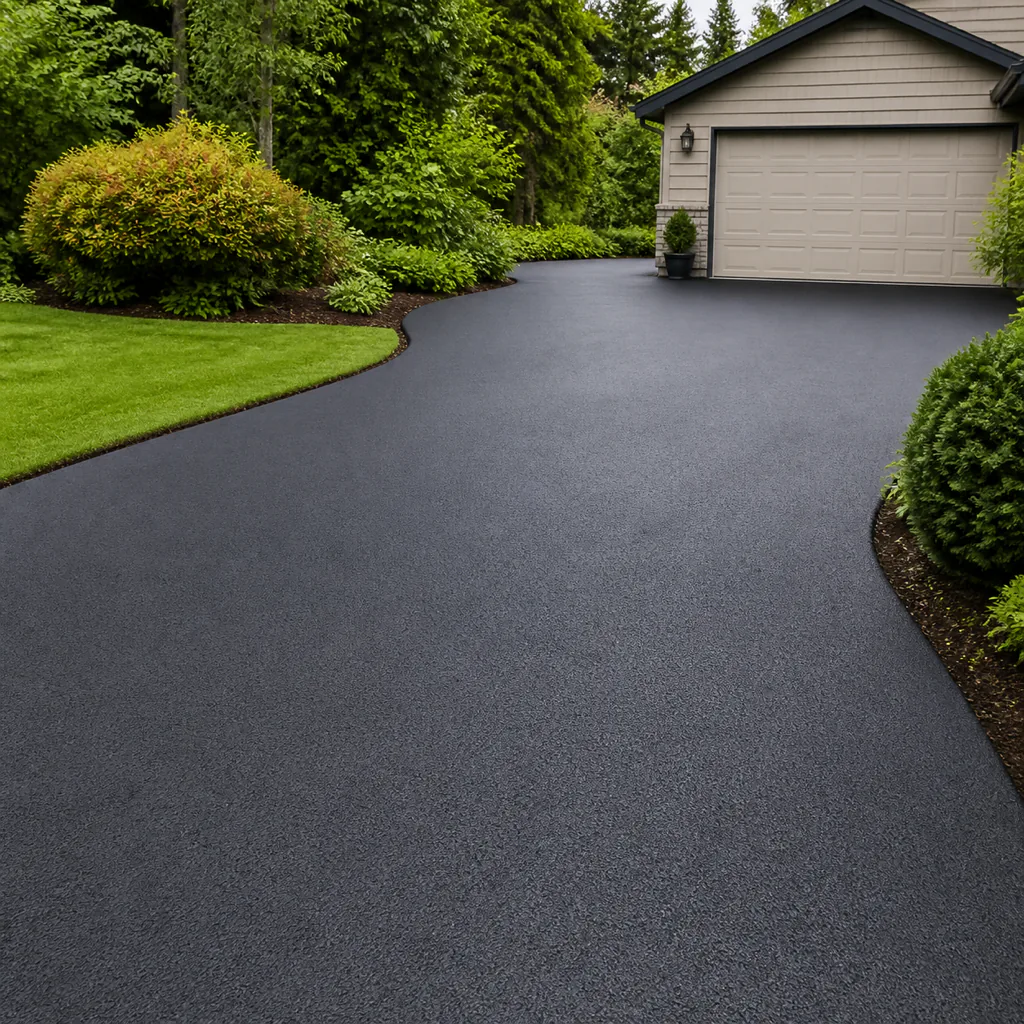
The feeling of the finish
Come home to a better first impression.
We review the pavement, prepare the surface, and plan sealing around its condition and the weather. Thoughtful maintenance starts with knowing what your driveway needs.
Beautifully considered, from the beginning
The look you love.
The details handled.
We start with your idea, review the space, and work through samples and a clear proposal. You can explore the practical details below, or simply begin with a conversation.
Let’s talk about your space ↗Is this finish right for my space?
Sealing is preventive surface maintenance. The proposal should not describe it as paving, leveling, drainage correction, structural crack repair, or replacement.
- Is the distress normal weathering or evidence of base, drainage, or movement failure?
- What cracks are present and which treatment is included or excluded?
- Are oil, moss, vegetation, standing water, loose aggregate, or previous products present?
- Can weather, surface temperature, shade, and cure conditions support the work?
- How will edges, adjacent concrete, landscaping, structures, and access be protected?
- When can foot and vehicle traffic safely return under the exact product conditions?
Materials & preparation
Condition-based sealing scope
Cleaning, vegetation removal, crack-treatment boundaries, repairs, edges, application, weather, cure, and access are assembled around the pavement that is actually present.
Separate repair or replacement path
Base failure, drainage, settlement, widespread alligator cracking, heaving, or severely deteriorated pavement is identified outside the sealing promise.
Will sealing repair all of the cracks?
No. Crack treatment is a separate defined part of the scope, and some movement, drainage, base, or pavement failures are not solved by filling and sealing.
Why does the weather window matter?
Surface condition, temperature, shade, rain, humidity, and cure time affect application and return to use. The exact current product guidance controls the project window.
Will the driveway stay jet black?
The initial appearance changes with cure, wear, weather, traffic, aggregate, and maintenance. The goal is a properly applied maintenance finish, not a permanent wet-black promise.
When is replacement the better answer?
Widespread alligator cracking, failed base, severe settlement, heaving, drainage failure, or extensive deterioration can make repair or replacement more appropriate than sealing.
Your space, beautifully considered
What would you
love to come home to?
Tell us a little about your idea. We’ll help you find the finish.
Start a conversation Based in McMinnville · Serving the surrounding wine country and west metro